
Curb Appeal Lighting Increases Home Value
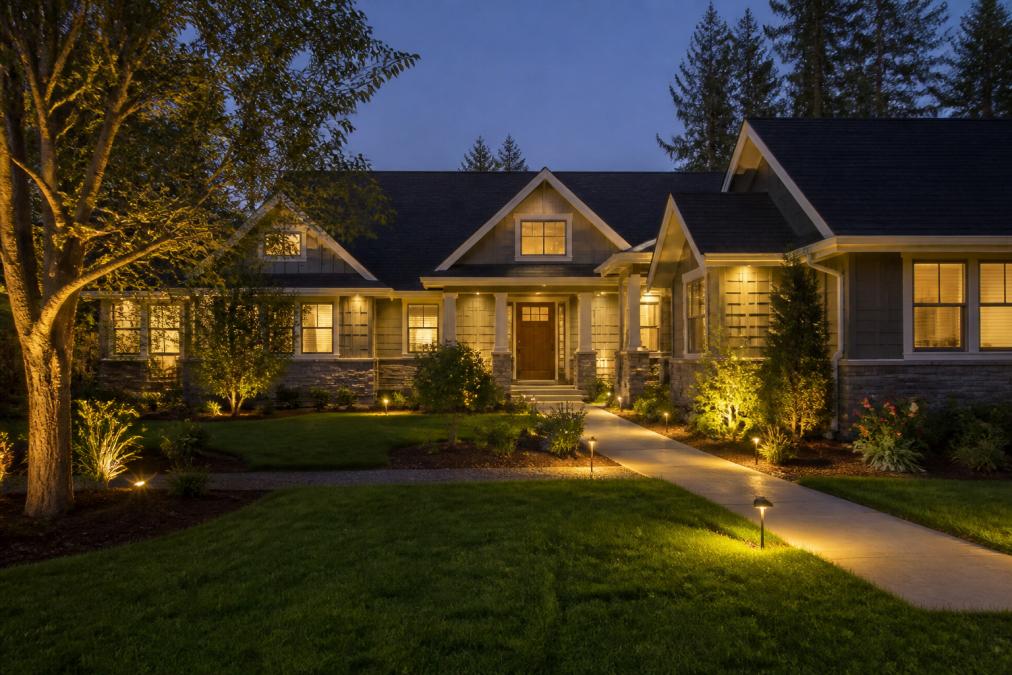
Table of Contents
- How Curb Appeal Lighting Increases Home Value
- The Connection Between Outdoor Lighting and Property Appraisal
- Outdoor Lighting ROI: What Homeowners Can Expect
- How to Choose the Right Color Temperature for Outdoor Lights
- Benefits of Professional Landscape Lighting Design
- Security, Safety, and Buyer Confidence Through Lighting
- Smart Home Integration and Long-Term Value
- Frequently Asked Questions
Last Updated: September 21, 2026
How Curb Appeal Lighting Increases Home Value
Curb appeal lighting home value increases by transforming your property's nighttime presence into a compelling visual asset that influences buyer perception and appraisal outcomes. Professional outdoor lighting creates an immediate impression of care, investment, and move-in readiness by highlighting architectural features, defining landscape boundaries, and communicating security and maintenance.
Homes with professionally designed exterior lighting consistently show stronger perceived value during appraisals and attract more serious offers.
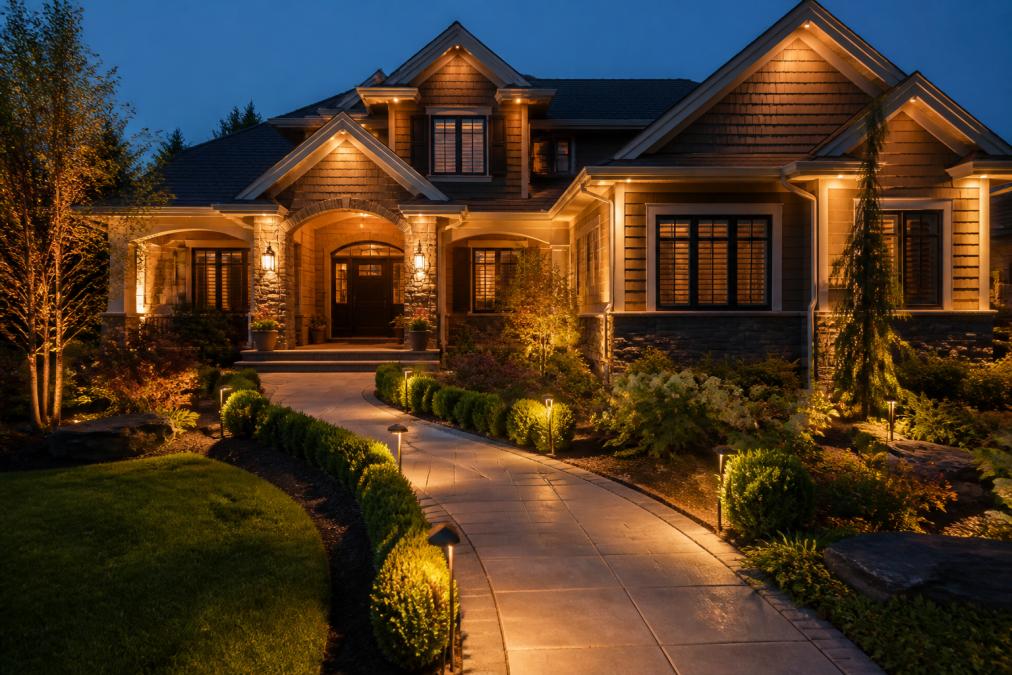
Most homeowners underestimate the role lighting plays in the appraisal process. Proper outdoor lighting signals investment in your home's exterior, demonstrates attention to detail, and shows the property is secure and well-maintained, factors that directly influence appraisal value.
The Connection Between Outdoor Lighting and Property Appraisal
Your home's appraisal value depends partly on how the property presents itself at any hour. Professional landscape lighting and architectural accents illuminate features that might otherwise go unnoticed in darkness: stonework, landscaping, architectural details, and the overall condition of your home's exterior.
Appraisers evaluate curb appeal as a measurable component of property value. Well-designed outdoor lighting demonstrates intentional investment in the property's exterior and translates into higher assessed value by clearly showcasing your improvements.
Strategic fixture placement highlights mature trees, accent plants, and hardscaping elements that contribute to property value. Architectural lighting that illuminates soffits, facades, and rooflines emphasizes construction quality and maintenance, signaling ongoing property care to appraisers.
Outdoor Lighting ROI: What Homeowners Can Expect
Outdoor lighting ROI varies by system type, market conditions, and project scope. Returns come through three channels: increased perceived property value during showings, higher appraised value, and faster time-on-market.
Cost-to-Value by Lighting Type
Different lighting projects deliver different ROI profiles. Low-voltage landscape lighting that highlights plantings and pathways creates immediate visual appeal during evening showings. Though perceived as a finishing touch, it influences buyer confidence disproportionately by signaling maintenance and intentionality.
Architectural facade and roofline lighting demonstrates structural quality and allows appraisers to assess siding, stonework, and roof condition more thoroughly. Homes with architectural lighting often see appraised values that more accurately reflect the quality of these features.
Pathway and entry lighting creates functional safety and communicates security. Buyers with families particularly value this, and appraisers recognize it as evidence of thoughtful property maintenance.
Smart-integrated lighting systems appeal to tech-forward buyers.
Timing and Market Conditions
Installing outdoor lighting 6-12 months before listing allows landscaping to mature and prevents the "just installed" appearance. Buyers perceive mature, established lighting as part of the home's character rather than a last-minute cosmetic fix.
In competitive markets with evening showings, outdoor lighting ROI accelerates. Properties in markets with longer winters or shorter daylight hours see more pronounced returns because more buyer showings occur after dark.
Maintenance and Inspection Impact
Professional outdoor lighting prevents "deferred maintenance" flags during inspections. A well-maintained, properly functioning system signals investment in exterior systems. High-quality LED systems with proper installation require minimal maintenance over 5-10 years, protecting your property's perceived condition during resale.
Measuring Your Return
Direct ROI measurement comes from comparing appraised value before and after installation. Secondary measurements include time-on-market and asking price premium.
How to Choose the Right Color Temperature for Outdoor Lights
Color temperature fundamentally affects how buyers perceive your property during evening showings. Measured in Kelvin (K), it ranges from warm (2700K-3000K) to cool (5000K-6500K) and influences buyer psychology, perceived property condition, and emotional connection during critical nighttime evaluations.
The Psychology of Warm Lighting on Buyer Perception
Warm lighting (2700K-3000K) creates a welcoming ambiance that triggers psychological associations with comfort, safety, and established homes. Buyers register warm-toned lighting as intentional and residential rather than commercial, which disproportionately influences buyer confidence in the first 10 seconds of a showing.
Warm lighting also flatters architectural features and landscaping in ways that influence perceived property condition. Warm tones minimize the appearance of minor imperfections in siding, stonework, or landscaping that might appear harsh or problematic under cool lighting. This isn't deception; it's accurate representation of how the home appears during the hours when most buyers will actually use their outdoor spaces (evening entertaining, morning coffee on the patio). Appraisers recognize this principle and factor it into their assessments, a property that shows well in its actual use conditions receives a more favorable evaluation.
Research in environmental psychology shows that warm lighting increases perceived safety and reduces buyer anxiety about neighborhood character and property security. This psychological effect directly translates into higher offer prices and fewer contingencies, because buyers feel more confident in their purchase decision.
Cool Lighting: Functional Purpose Over Emotional Appeal
Cool lighting (4000K-5000K and above) serves different purposes. It works exceptionally well for security lighting, functional areas like driveways, and entry points where visibility and deterrence matter more than ambiance. However, cool lighting can make a residential property feel commercial, institutional, or overly security-focused, associations that undermine the welcoming curb appeal that influences buyer perception.
The risk of cool lighting is that it can inadvertently communicate that the homeowner prioritizes security concerns over livability, which may raise questions about neighborhood safety in a buyer's mind. This is why professional designers avoid cool lighting for facade or landscape accent purposes during the showing period.
Strategic Layering: Combining Color Temperatures for Maximum Impact
The most effective curb appeal strategy combines color temperatures intentionally. Use warm lighting (2700K-3000K) for accent and landscape purposes, facade lighting, pathway illumination, and landscape accents that create visual interest and emotional appeal. This is the lighting buyers see first and remember most vividly.
Reserve cooler temperatures (4000K-5000K) for functional security lighting at entry points, along driveways, or at property boundaries where visibility is the primary goal. This layered approach maximizes both the aesthetic appeal that attracts buyers and the security benefits that provide peace of mind. The contrast between warm accent lighting and cooler functional lighting also creates visual depth and sophistication.
Consistency and Neighborhood Context
Color temperature choice should also reflect your neighborhood aesthetic. In established neighborhoods where homes feature warm, traditional lighting, installing cool-temperature lighting can make your property appear out of place or overly modern in a way that reads as disconnected from community character. Conversely, in newer developments where contemporary design is the norm, warm lighting alone might appear dated. Professional landscape lighting designers evaluate your specific neighborhood context and recommend color temperature strategies that position your home as well-maintained and contextually appropriate.
The Showing Experience: Color Temperature and Time of Day
Consider that evening showings often occur during the 30-minute window before or after sunset, when natural light is fading but not completely gone. During this critical window, warm outdoor lighting creates a smooth visual transition that feels natural and inviting. Cool lighting during this same window can create harsh contrasts and make the property feel artificially lit or overly security-conscious. This is why warm color temperature is the professional standard for curb appeal lighting during the showing season.
Benefits of Professional Landscape Lighting Design
Professional landscape lighting design goes far beyond simply placing fixtures around your property. A designer evaluates your home's architecture, landscaping, sight lines from the street, and the surrounding neighborhood context to create a cohesive lighting strategy that maximizes curb appeal and property value.
Professionals understand fixture placement principles that homeowners often miss. They know how to position lights to highlight architectural features without creating glare or harsh shadows. They understand how to layer lighting, combining accent lighting, pathway lighting, and security lighting, to create visual interest while maintaining functionality. This expertise translates directly into a more compelling property presentation. Strategic selection and installation of external wall lights further refine these aesthetic outcomes by ensuring that every beam serves a specific purpose in the overall composition.
Design professionals also consider energy efficiency as part of their strategy. LED technology has transformed outdoor lighting, making professional-quality illumination affordable and sustainable. A well-designed LED lighting system uses minimal energy while delivering maximum visual impact. This efficiency appeals to environmentally conscious buyers and reduces your operating costs.
The long-term value of professional design extends beyond the initial installation. A properly designed system requires less maintenance, performs more reliably, and maintains its aesthetic appeal over years of use. Buyers recognize the difference between amateur installations and professionally designed systems, and they value the latter accordingly.
Security, Safety, and Buyer Confidence Through Lighting
Outdoor lighting serves critical security and safety functions that directly influence buyer confidence and perceived property value. Well-lit pathways, entry points, and perimeter areas communicate that your home is secure and well-maintained. This sense of security is a major factor in buyer decision-making.
Pathway lighting creates functional safety by illuminating walkways and steps, reducing trip hazards and creating clear navigation routes. Buyers with families particularly value this safety feature.
Smart Home Integration and Long-Term Value
Smart home integration represents the future of residential outdoor lighting and significantly impacts long-term property value. Modern buyers expect connected systems that offer convenience, energy efficiency, and remote control capabilities. Professional outdoor lighting that integrates with smart home ecosystems positions your property as current and desirable.
Frequently Asked Questions
Does curb appeal lighting significantly increase home value?
Curb appeal lighting enhances perceived property value by highlighting architectural features and creating a welcoming nighttime presence. Strategic outdoor lighting, particularly low-voltage landscape and architectural systems, improves appraisal assessments by demonstrating investment in property maintenance and aesthetics. Homes with professional lighting design show stronger buyer confidence and market appeal compared to unlighted properties.
What is the typical return on investment for outdoor lighting upgrades?
Outdoor lighting ROI varies based on fixture type, installation scope, and energy efficiency. LED landscape and architectural lighting systems offer strong returns due to low operating costs and minimal maintenance. Professional installation ensures proper placement for maximum visual impact and safety benefits, which directly influence buyer perception and property valuation during appraisals.
How does professional landscape lighting differ from DIY outdoor lighting?
Professional landscape lighting incorporates proper fixture placement, appropriate color temperature selection, and structural safety considerations that DIY installations often miss. Benefits of professional landscape lighting include optimized lighting design that highlights architectural features, reduces flickering and wiring issues, ensures secure installation on multi-story homes, and integrates with smart home systems for long-term reliability and aesthetic appeal.
What color temperature should I use for outdoor lighting to increase curb appeal?
Warm color temperatures (2700K-3000K) create an inviting, welcoming ambiance that appeals to potential buyers and enhances perceived value. For architectural accent lighting and facade illumination, warm tones highlight home features naturally. Cooler temperatures (4000K+) work better for security and pathway safety lighting. Choosing the right color temperature for outdoor lights depends on the fixture purpose and how you want buyers to perceive your property's character.