Best Permanent Holiday Lighting for Homes
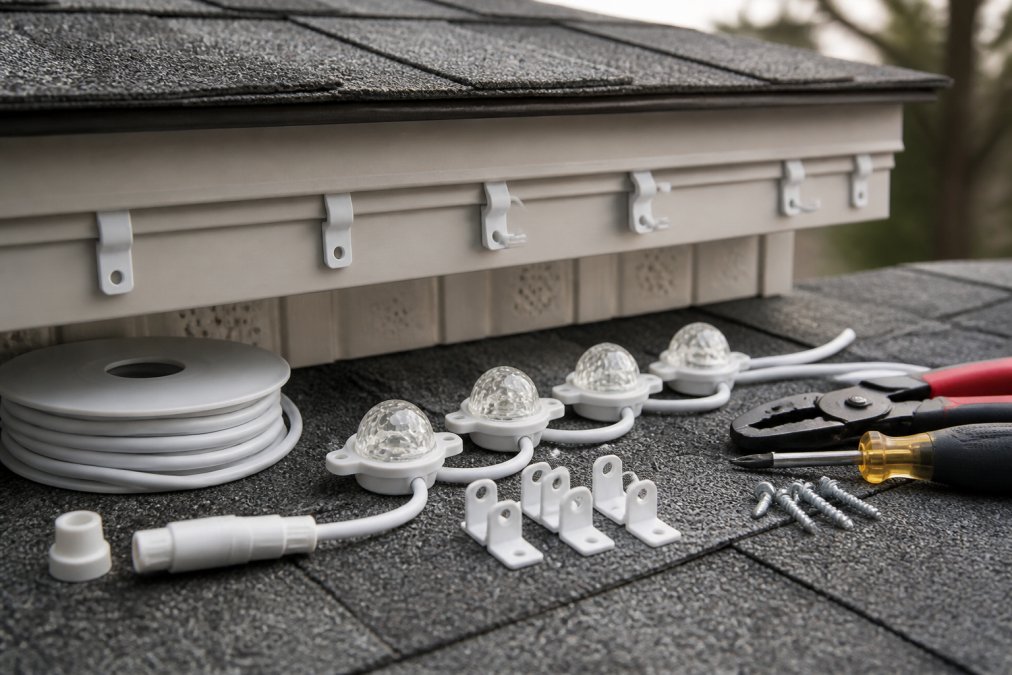
Table of Contents
- What Are Permanent Holiday Lights?
- Permanent Architectural Lighting Benefits
- Key Features to Look For in Permanent Holiday Lighting Systems
- DIY vs Professional Permanent Lighting Installation
- Smart Home Integration for Outdoor Lights
- Permanent Holiday Lighting Cost and Budget Planning
- Installation Considerations and Roof Compatibility
- Long-Term Maintenance and Warranty Protection
Last Updated: August 27, 2026
What Are Permanent Holiday Lights?
Permanent holiday lighting refers to professionally installed LED lighting systems designed to remain on your home year-round, delivering customizable color displays and architectural illumination. Unlike traditional string lights you hang and remove seasonally, these systems use low-voltage LED nodes mounted to your roofline, fascia, and architectural features with weatherproof controllers and smart automation capabilities.
These systems typically use RGBW technology (red, green, blue, white nodes) to produce millions of color combinations. The "W" channel delivers pure white light, preventing the washed-out, artificial look you get from mixing RGB colors. Installation involves mounting weather-sealed LED nodes every 6-12 inches along your home's edges, running low-voltage wiring through conduit or along existing trim, and connecting everything to a transformer and controller unit.
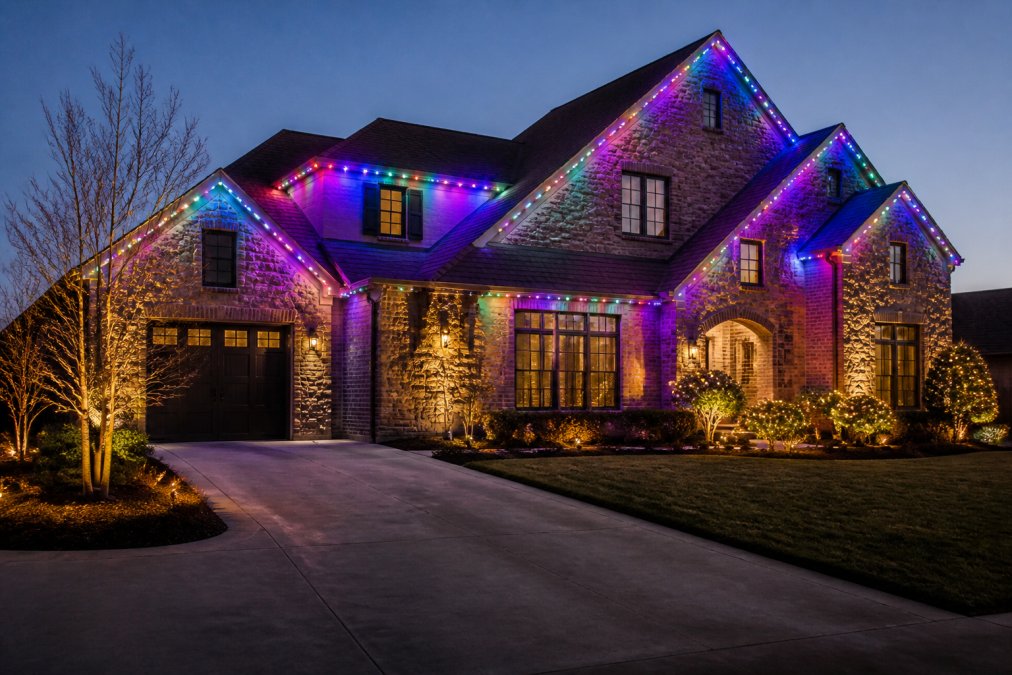
Once installed, you're done with seasonal labor. No storage headaches. No tangled wires. No roof access needed for maintenance. You control everything from your phone, switch between holiday scenes, solid colors, and animated patterns using a smartphone app or voice commands.
Permanent Architectural Lighting Benefits
Installing permanent holiday lighting transforms how your home looks after sunset. The most immediate advantage is curb appeal, a well-designed system elevates your home's nighttime presence, which matters when 70% of your property's impression happens in darkness during winter months (realtor.org).
Year-round functionality separates permanent systems from seasonal alternatives. You're not limited to holiday scenes. Most systems let you create custom color palettes for different seasons, warm whites for winter elegance, cool blues for summer entertaining, patriotic reds and whites for July, oranges and purples for autumn.
Security represents an underrated benefit. Illuminated architectural features deter unwanted activity. A well-lit home perimeter feels occupied and monitored. You can schedule lights to turn on at dusk and off at midnight, creating the appearance of occupancy even when you're away.
Convenience is the daily driver. You control everything from your phone. Forget to turn off the lights before bed? One tap fixes it. Want to surprise guests with a light show? Activate a pre-programmed scene. Smart home integration means your lights respond to voice commands or automation triggers.
Modern LED nodes consume 80% less power than incandescent holiday lights (energy.gov). A full permanent system might use 100-200 watts during operation, comparable to running a single laptop.
Key Features to Look For in Permanent Holiday Lighting Systems
Evaluating permanent holiday lighting systems requires understanding the technical specifications that determine performance, reliability, and long-term satisfaction.
RGBW Color Technology and Customizable Scenes
RGBW lighting uses four separate LED channels, red, green, blue, and white, to create color output that feels natural and vibrant. The white channel is critical. RGB-only systems mix red, green, and blue to approximate white, which produces a sickly, desaturated appearance. RGBW systems use a dedicated white LED, delivering true white light and cleaner color mixing across the entire spectrum.
Customizable scenes let you save color combinations and animation patterns. A good system ships with 50+ pre-loaded scenes but also lets you create custom scenes. The best systems support scene scheduling, set your lights to automatically activate "holiday mode" on November 1st and switch to "winter white" on January 2nd.
Weatherproofing and Durability Standards
Look for systems rated IP67 or higher. IP67 means dust-tight and protected against temporary immersion in water up to 1 meter for 30 minutes (iec.ch). IP68 extends that to continuous immersion. For outdoor lighting, IP67 is the minimum acceptable standard; IP68 is preferred.
The housing material matters as much as the rating. Aluminum or UV-resistant polymer housings outlast plastic. Stainless steel mounting hardware resists corrosion better than zinc-plated alternatives. Systems rated to -20°F to 120°F handle seasonal temperature swings. Look for 5+ year warranties on the controller and LED nodes, longer warranties indicate engineering designed for longevity.
Low-Voltage Systems and Safety
Low-voltage (12V) systems are inherently safer than line-voltage (120V) alternatives. You can touch the wiring, fixtures, and connections without electrical hazard. Installation doesn't require a licensed electrician in most jurisdictions.
The transformer steps down standard household voltage (120V) to 12V. Proper sizing matters, an undersized transformer causes voltage drop, dimming lights at the end of long runs. Calculate total wattage of all LED nodes, then select a transformer rated 20% above that load.
DIY vs Professional Permanent Lighting Installation
The decision between DIY and professional installation hinges on roof complexity, your comfort with electrical work, and risk tolerance.
DIY installation appeals to hands-on homeowners and budget-conscious buyers. You control the timeline and avoid labor costs. DIY works well for simple rooflines and modest systems. A single-story ranch with straightforward edges and accessible roof height can be tackled by a competent homeowner with basic tools. Installation typically takes 8-16 hours depending on system size.
Where DIY gets risky: multi-story homes, complex rooflines with multiple peaks and valleys, and homes with difficult roof access. Climbing a 25-foot ladder with tools in hand creates fall hazards. Mistakes in transformer sizing, wire gauge selection, or circuit layout can cause performance problems that are expensive to troubleshoot later.
Professional installation eliminates most risk variables. A licensed installer brings experience with dozens of roof types and carries insurance covering installation accidents. They'll right-size your transformer, run wiring through conduit for protection, and test the system before handing it over. Professional installation typically adds 50-100% to the equipment cost. For a $3,000 system, expect $1,500-3,000 in installation labor.
Consider your roof's condition too. If your roof needs replacement within the next few years, professional installation lets the installer plan around that. Paramount Outdoor Lighting Group coordinates with roofers to ensure permanent lighting systems coexist with roof maintenance and replacement without damage to either.
Smart Home Integration for Outdoor Lights
Modern permanent holiday lighting systems integrate with major smart home ecosystems, Amazon Alexa, Google Home, and Apple HomeKit, enabling voice control and automation alongside smartphone apps.
Voice control is the most obvious benefit. "Alexa, turn on holiday mode" activates your pre-programmed holiday scene. "Google, set the patio lights to warm white" adjusts color temperature instantly. Automation scheduling enables routines that trigger multiple actions simultaneously. A "Movie Night" routine might dim interior lights, close blinds, and set outdoor lights to a soft blue.
Geofencing adds location-based intelligence. Your system can detect when the last person leaves home and automatically turn off outdoor lights to save energy. When the first person returns, lights activate to a pre-set scene.
The ecosystem question matters. If you're heavily invested in Apple HomeKit, verify the lighting system supports it before purchasing. Not all permanent lighting systems integrate equally with all platforms. Check current integration status rather than assuming universal support.
Permanent Holiday Lighting Cost and Budget Planning
Understanding the cost structure of permanent holiday lighting helps you budget realistically and compare options fairly.
Equipment costs depend on system size, LED node count, and controller sophistication. A modest system for a single-story ranch (100-150 LED nodes) might cost $1,500-2,500. A larger two-story colonial with complex rooflines (300+ nodes) could run $3,500-5,500. The transformer and controller unit add $300-800. Wiring, mounting hardware, and miscellaneous supplies add another $200-400.
Installation labor varies by region and roof complexity. Simple installations on accessible single-story homes might run $1,200-1,800. Complex multi-story installations with difficult roof access could reach $3,000-5,000+.
Ongoing operational costs are minimal. A typical system running 6 hours nightly consumes roughly 0.6-1.2 kilowatt-hours daily. At average electricity rates, that's $5-15 monthly. Annual operating cost is roughly $60-180.
The total cost picture: expect to invest $3,500-8,000 for a complete permanent holiday lighting system on a typical residential home, including professional installation. Spread over 10 years, it's $350-800 annually. Many homeowners start with roofline and entry features, then expand to additional architectural elements in subsequent years.
Installation Considerations and Roof Compatibility
Successful permanent holiday lighting installation requires understanding how your specific roof type and architectural features affect the process.
Asphalt shingle roofs are the most common and most straightforward for installation. LED nodes mount directly to the shingle surface using adhesive backing or small fasteners. Installation on asphalt roofs is relatively fast and doesn't compromise roof integrity.
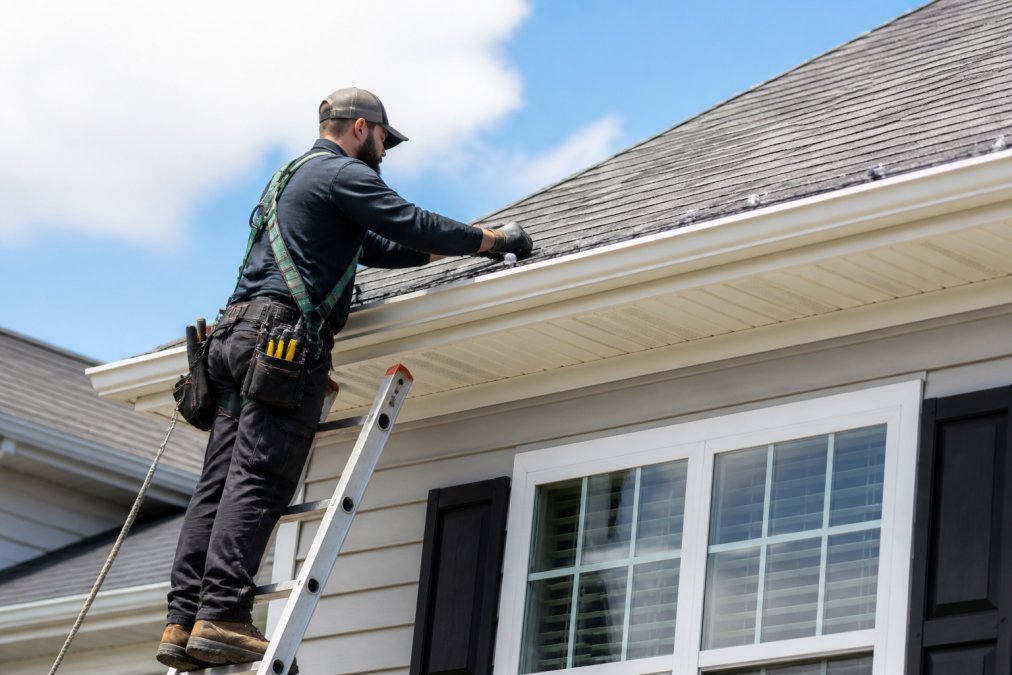
Metal roofs present different challenges. Adhesive backing doesn't grip metal surfaces reliably, so installation requires fasteners. Stainless steel fasteners are essential to prevent corrosion. Slate, tile, and composite roofs require extra care. These materials are brittle or expensive to replace if damaged. Professional installers use specialized mounting brackets that distribute load across multiple tiles.
Roof pitch affects installation difficulty and safety. Shallow pitches (4:12 or less) are manageable for competent DIYers with proper ladder technique. Steep pitches (8:12 or higher) create safety hazards and should be handled by professionals.
Roof access points determine wiring routing. Accessible attic space simplifies installation, wiring can run through the attic and exit at each roofline section. Homes without attic access require surface-mounted conduit, which is less elegant but functional.
Long-Term Maintenance and Warranty Protection
Permanent holiday lighting systems require minimal maintenance, but understanding what to expect over 10+ years helps you protect your investment.
Annual inspection is the foundation of long-term reliability. Before each winter season, visually scan your roofline for loose connections, corroded fasteners, or damaged LED nodes. Cleaning LED nodes annually improves light output. Dust, pollen, and debris accumulate on the lens surface, reducing brightness by 10-20%.
Connection inspection matters more than most homeowners realize. Outdoor connections corrode over time, especially in humid climates. Every 2-3 years, inspect the controller, transformer, and major connection points for green or white corrosion on contacts. If present, disconnect the affected connection, clean the contacts with a pencil eraser or fine sandpaper, and reconnect.
Firmware updates keep your system secure and compatible with smart home platforms. Check periodically for software updates. Most updates install automatically if your controller has internet connectivity.
Quality systems offer 5-10 year warranties on LED nodes and controller units. These warranties typically cover manufacturing defects and premature failures but exclude damage from improper installation, physical damage, or acts of nature. Extended warranty options are available from some manufacturers and installers for $100-300, extending coverage beyond the standard warranty period.
Common failure modes include LED node failure (individual nodes stop lighting), controller malfunction (app stops working), transformer failure (entire system goes dark), and corrosion at connection points (intermittent flickering). Most failures are repairable without replacing the entire system. A failed LED node costs $20-50 to replace. A transformer might run $200-400. A controller unit could be $300-600.
Permanent holiday lighting represents a meaningful investment in your home's appearance and your quality of life. The system transforms your outdoor space from a seasonal concern into a year-round asset that adapts to your needs and preferences.
At Paramount Outdoor Lighting Group, we specialize in designing and installing permanent holiday lighting systems tailored to your home's unique characteristics. Our team handles everything from initial design consultation through installation, maintenance, and seasonal adjustments. We work with various roof types and architectural styles, ensuring your system integrates seamlessly with your home's design while delivering the functionality and durability you expect. Request a walk-through to see how permanent holiday lighting can transform your home's nighttime presence.
Frequently Asked Questions
Is permanent holiday lighting worth the investment?
Permanent holiday lighting transforms your home's curb appeal year-round while eliminating the annual hassle of hanging and removing temporary lights. The system works for holidays, special occasions, and everyday architectural ambiance. Since you install once and enjoy for years, the cost spreads across multiple seasons. Durability, minimal maintenance, and smart automation features make it a practical choice for homeowners seeking long-term outdoor lighting solutions without seasonal labor.
What's the difference between DIY and professional permanent lighting installation?
DIY installation saves upfront labor costs but requires electrical knowledge, proper tools, and roof access safety measures. Professional installation ensures correct wiring, secure mounting, weatherproof connections, and compliance with local electrical codes. Professionals also handle roof material compatibility, preventing damage to shingles or siding. For two-story homes or complex layouts, professional installation reduces safety risks and guarantees system reliability. Most homeowners find the expertise and warranty protection justify professional installation costs.
How much does permanent holiday lighting typically cost?
Permanent holiday lighting cost depends on system size, LED node quantity, smart features, roof complexity, and whether you choose DIY or professional installation. Basic systems start lower, while RGBW systems with app control and voice integration cost more. Installation labor, permits, and site-specific requirements add to the total. For accurate pricing tailored to your home's specifications, contact a professional installer for a detailed quote and comparison of available systems.
Can permanent holiday lights integrate with my smart home?
Yes, most modern permanent holiday lighting systems offer smart home integration through app control, voice commands, and automation scheduling. You can sync lights with smart home ecosystems, create custom scenes, and control brightness and color from your phone. Voice control compatibility with major platforms allows hands-free operation. Automation scheduling lets you set lights to turn on at sunset or activate specific holiday scenes on demand. Check system compatibility with your existing smart home setup before purchasing.
What weatherproofing standards should I look for?
Look for IP67 or IP68 ratings, which indicate high dust and water resistance suitable for outdoor conditions. Low-voltage systems with proper transformer protection handle moisture better than standard voltage installations. UV-resistant materials and sealed connections prevent degradation from sun exposure and rain. Durable mounting hardware and weatherproof controller units protect the system during extreme weather. Professional installation ensures all connections meet weatherproofing standards, extending system lifespan and reducing maintenance issues.
This article was written using GrandRanker