
Permanent Architectural Lighting for Homes: 2026 Guide
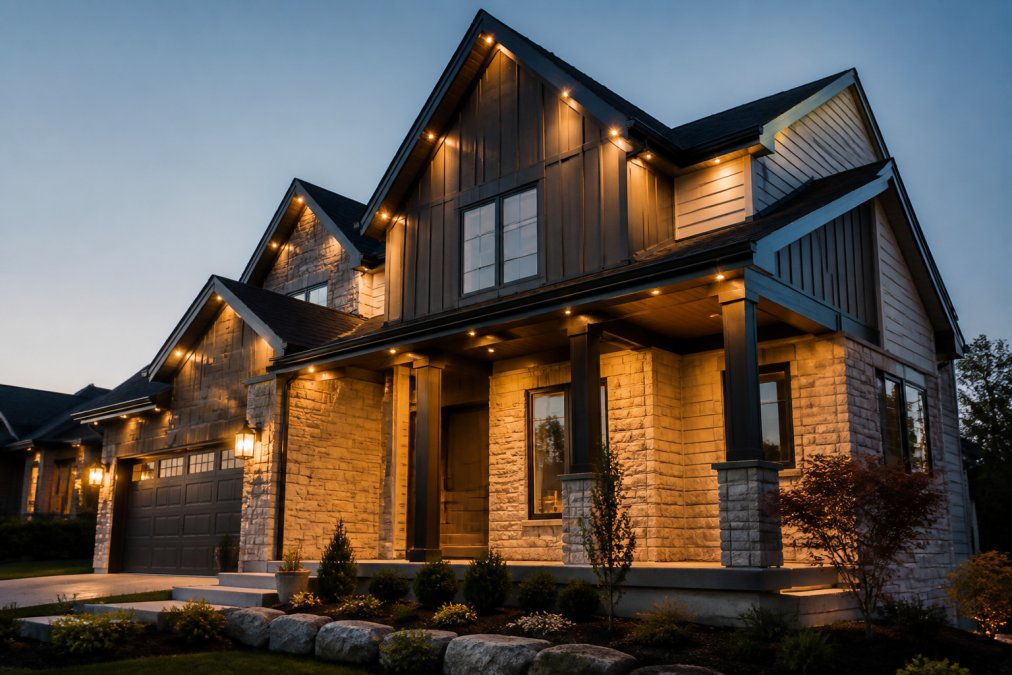
Table of Contents
- What Is Permanent Architectural Lighting?
- Benefits of Year-Round Outdoor Lighting
- How Permanent Architectural Lighting Systems Work
- Permanent Architectural Lighting Installation Process
- Smart Home Integration for Outdoor Lighting
- Permanent Holiday Lighting Cost and Investment
- Maintenance and Long-Term Durability
- HOA and Local Zoning Compliance
- Frequently Asked Questions
Last Updated: August 31, 2026
What Is Permanent Architectural Lighting?
Permanent architectural lighting is a fixed outdoor lighting system designed to enhance a home's structure, landscaping, and curb appeal year-round. Unlike temporary holiday displays or portable outdoor lights, these systems are professionally installed into your property's landscape and integrated with your home's electrical infrastructure. They use low-voltage LED technology to accent architectural features like rooflines, entryways, patios, and landscape elements with precise, durable illumination.
These systems are infrastructure, not decoration. They consist of low-voltage LED fixtures, weatherproof controllers, buried wiring, and a central power supply, all engineered for longevity with corrosion-resistant materials and sealed components that withstand freeze-thaw cycles, heavy rain, and UV exposure.
Benefits of Year-Round Outdoor Lighting
Permanent outdoor lighting delivers value far beyond aesthetics. A home with well-designed architectural lighting shows higher perceived value compared to unlighted homes, according to landscape design professionals.
Security represents a major practical benefit. Illuminated entry points, pathways, and dark corners deter unwanted activity and make your property safer for family and guests. Consistent ambient lighting eliminates shadows where intruders might hide, and the psychological deterrent of a well-lit property is substantial.
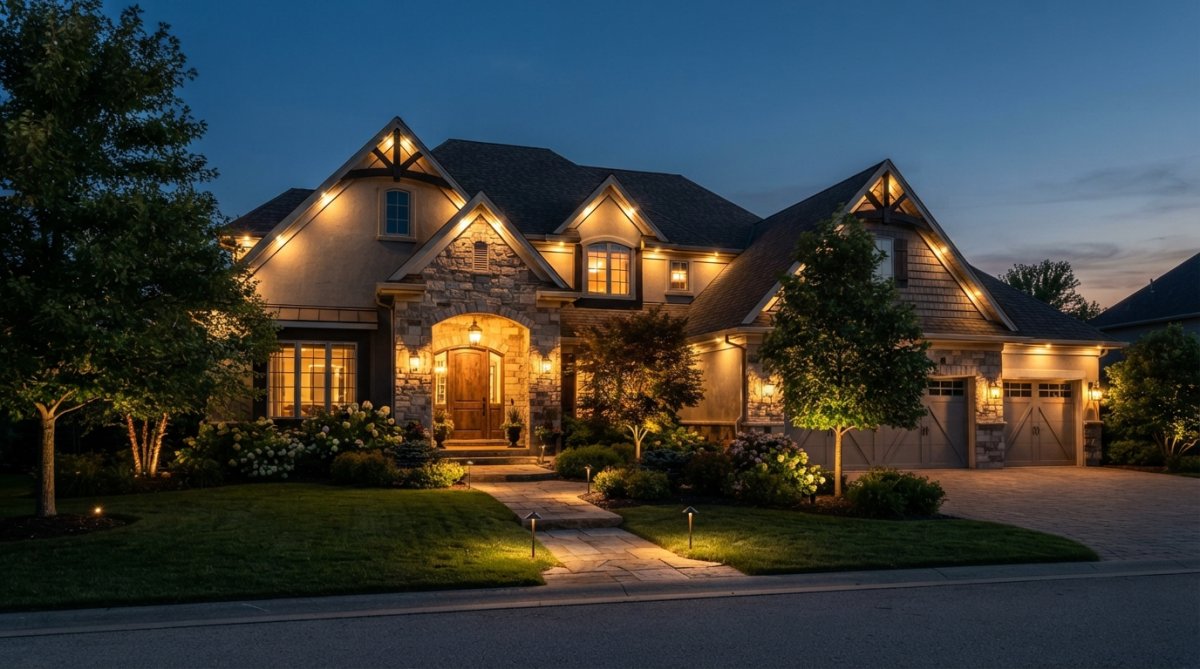
Entertainment and outdoor living become more functional with permanent lighting. A lit patio extends usable outdoor space well into evening hours, transforming an awkward space into an inviting gathering area.
Energy efficiency has transformed outdoor lighting economics. LED technology consumes 75-80% less energy than traditional halogen or incandescent systems (energy.gov). A permanent low-voltage LED system costs less to operate annually than most homeowners expect, especially when paired with smart scheduling.
Maintenance simplicity is often overlooked. Once installed, permanent systems require minimal intervention. No seasonal hanging, removal, or storage. The system operates reliably through all weather conditions.
How Permanent Architectural Lighting Systems Work
Permanent architectural lighting systems operate on a simple principle: low-voltage current travels through buried wiring to individual fixtures that accent specific architectural or landscape features.
Low-Voltage LED Technology
Low-voltage systems run at 12 volts or 24 volts rather than standard household current (120 volts). This reduced voltage makes the system safer for outdoor installation and allows for smaller, more flexible wiring buried in landscape beds. The transformer steps down household current to the safe low-voltage level needed by the fixtures.
LED (light-emitting diode) fixtures are the standard for modern permanent systems. An LED fixture typically lasts 25,000-50,000 hours, which translates to 10-15 years of nightly operation before requiring replacement, far longer than halogen bulbs lasting 2,000-3,000 hours (peer-reviewed research).
Color temperature in LED systems is measured in Kelvin (K). Warm white (2700K-3000K) creates an inviting, residential feel. Cool white (4000K-5000K) provides brighter, more functional illumination suitable for security. The best permanent systems offer adjustable color temperature, allowing you to shift the mood seasonally or for specific occasions.
RGBW LED technology enables color-changing capabilities in premium systems, allowing holiday displays or dynamic effects. However, RGBW systems are more complex and costly. For most homeowners seeking year-round architectural accent lighting, warm white or adjustable white systems provide the best balance of function and value.
Weatherproof Design and Durability
Permanent fixtures are engineered for outdoor exposure using UV-resistant polymers, anodized aluminum, and stainless steel hardware. Fixtures rated IP65 or higher are sealed against water jets and dust ingress (iec.ch).
Professional-grade outdoor cable is rated for direct burial and designed to withstand soil moisture, temperature fluctuations, and accidental digging. Proper installation includes conduit in high-traffic areas and correct depth burial (typically 6-8 inches) to prevent damage and frost heave.
Durability also depends on proper grounding and surge protection. Professional installations include grounding rods and surge protection devices that protect your fixtures and home electrical system from lightning strikes and electrical surges.
Permanent Architectural Lighting Installation Process
Installation determines whether your system performs reliably for years or becomes a source of frustration.
Site Assessment and Design Planning
A professional evaluates your home's architecture, landscape features, existing vegetation, and sight lines from the street. They identify which elements deserve emphasis, a distinctive roofline, mature trees, stone entry columns, or hardscape features. Shadows, existing light sources, and the home's color palette all influence fixture placement and color temperature selection.
Design planning includes determining fixture locations, wiring paths, transformer location, and control strategy. The transformer should be positioned near the main electrical panel for convenient installation and future access. Wiring routes must avoid underground utilities (call 811 before any digging) and be protected from foot traffic and landscaping activities.
Power requirements are calculated based on the total wattage of all fixtures. Most residential systems draw 300-600 watts, which integrates easily into existing electrical service.
Professional Installation vs. DIY Considerations
Professional installation offers significant advantages that justify the service cost. Electricians understand local electrical codes, proper grounding requirements, and safe installation practices. They have the tools to bury wiring cleanly, test systems thoroughly, and ensure connections are watertight and secure.
DIY installation is possible for homeowners with electrical knowledge, but it carries real risks. Improper grounding can create shock hazards. Buried wiring that's too shallow gets damaged by landscaping or frost heave. Inadequate sealing of connections leads to corrosion and failure.
Smart Home Integration for Outdoor Lighting
Modern permanent lighting systems integrate seamlessly with smart home automation, enabling control and scheduling that would be impossible with manual switches.
App Control and Scheduling Features
Smart home integration typically involves a wireless controller that communicates with your home's Wi-Fi network. Through a mobile app, you can turn lights on or off remotely, adjust brightness, and schedule automatic operation based on time of day or sunset/sunrise times. Some systems learn your preferences and adjust automatically as seasons change.
Scheduling capabilities range from simple (lights on at 6 PM, off at 11 PM) to sophisticated (different schedules for weekdays and weekends, vacation mode that randomizes timing to simulate occupancy, or integration with other smart home devices). A system that detects motion can activate lights when you approach your home or when activity occurs near entry points.
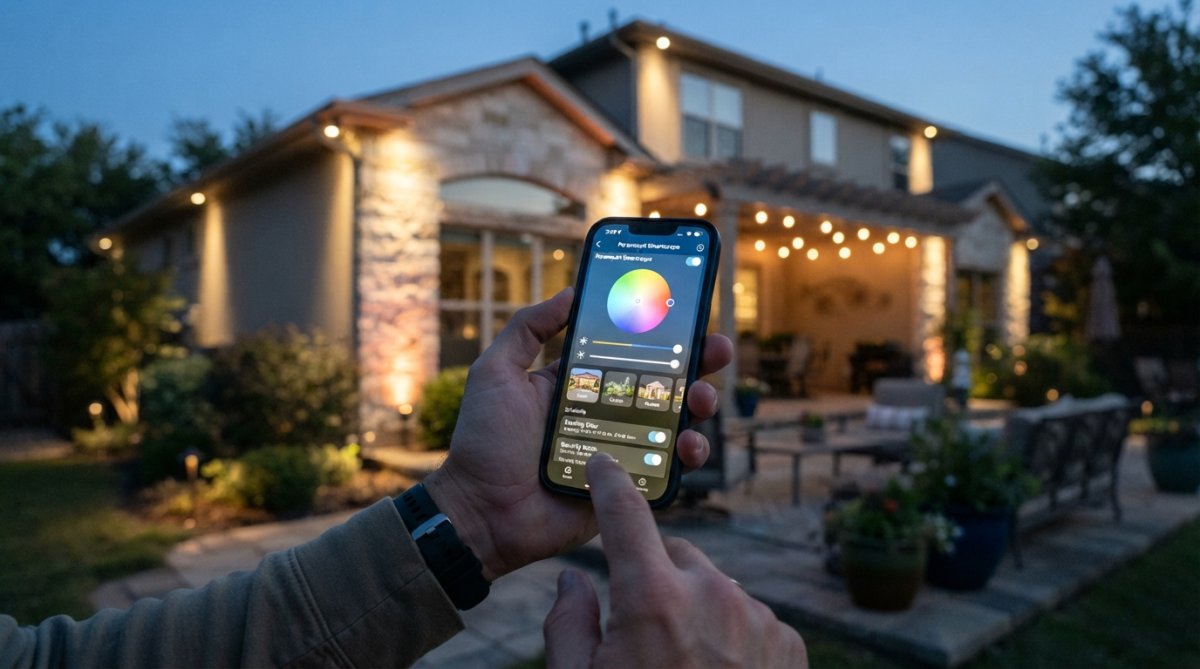
Voice control through Alexa, Google Home, or other voice assistants adds convenience. Integration with other smart home systems creates powerful automation, your outdoor lighting can sync with security cameras or door locks, activating entry lights automatically when you unlock your front door.
Color Temperature and Customization
The ability to adjust color temperature adds flexibility throughout the year. Warm white (2700K) feels inviting for entertaining. Cool white (4000K) provides brighter security lighting. Some systems allow you to shift color temperature based on time of day, warmer in evening hours, brighter in early morning or late night for security purposes.
Seasonal adjustments are straightforward with smart control. Winter might call for brighter security lighting and earlier activation times. Summer entertaining might use softer, warmer tones activated later in the evening. Holiday seasons can introduce color effects if your system supports RGBW capabilities.
Permanent Holiday Lighting Cost and Investment
System components include fixtures, low-voltage wiring and connectors, a transformer rated for your total load, and installation labor. Pricing depends on quantity, dates, and delivery.
Long-term cost analysis favors permanent systems. Annual operating costs are minimal with LED technology, especially when paired with smart scheduling. This is substantially less than replacing temporary lighting annually or paying for seasonal installation and removal services.
Warranty coverage varies by system and installer. Quality components typically include 3-5 year manufacturer warranties on fixtures and electronic components. Professional installation often includes a labor warranty (typically 1-2 years) covering workmanship.
Maintenance and Long-Term Durability
One of the primary advantages of permanent systems is minimal maintenance. Annual inspection involves visually checking fixtures for debris, damage, or corrosion. Clear any dirt or leaves from fixture lenses to maintain light output. Check that buried wiring hasn't been exposed by soil erosion or landscaping activities.
LED bulb replacement is rarely needed during the system's first decade of operation. When an LED fixture does fail, replacement involves removing the old fixture and installing a new one, a straightforward task for most homeowners.
Controller and transformer maintenance is minimal. Keep the transformer dry and free of debris. If your system includes a smart controller, ensure it has adequate Wi-Fi signal and update firmware when updates are available.
Seasonal vegetation management is the primary maintenance task. Trim plants and trees that grow over or around fixtures, as they can block light and trap moisture. Periodically check that fixtures maintain their intended angles.
Durability expectations are substantial with quality permanent systems. Fixtures typically last 10-15 years before needing replacement. With proper installation and basic maintenance, a permanent system should operate reliably for 15-20 years before major component replacement becomes necessary.
HOA and Local Zoning Compliance
Before installing permanent architectural lighting, understand local regulations and HOA restrictions that might affect your project.
Homeowners associations often have design guidelines addressing exterior modifications, including outdoor lighting. Some HOAs prohibit permanent outdoor lighting entirely. Others allow it only in specific colors or brightness levels. Review your HOA documents and contact your HOA board before designing your system.
Local zoning codes address outdoor lighting to manage light pollution and neighbor impacts. Many jurisdictions limit brightness, require fixtures to be shielded to direct light downward, or restrict operation hours for certain types of lighting.
Building permits may be required for outdoor electrical work, depending on your jurisdiction. Licensed electricians typically handle permit applications and inspections as part of professional installation.
Neighbor considerations matter even where regulations don't mandate it. Thoughtful fixture placement and shielding that directs light toward your own property demonstrates respect for neighbors and prevents conflicts.
Light pollution awareness is increasingly important. Dark sky initiatives encourage outdoor lighting that's only as bright as necessary, uses warm color temperatures, and is shielded to prevent upward light.
Paramount Outdoor Lighting Group stays current with local zoning requirements and HOA guidelines for the areas we serve. When you request a walk-through, our team reviews your specific property's regulatory environment and ensures your design complies with all applicable requirements.
Permanent architectural lighting transforms your home's nighttime presence while adding measurable value and security benefits. The investment in a professionally designed and installed system pays dividends through energy savings, reduced maintenance, and years of reliable operation. Paramount Outdoor Lighting Group specializes in custom permanent architectural lighting design and installation tailored to your home's unique features. Request a walk-through to explore how permanent lighting can transform your property.
Frequently Asked Questions
How much does it cost to install permanent architectural lighting on a house?
Pricing depends on several factors: system size, the number of fixtures, installation complexity, and your home's layout. A small accent lighting system costs less than a comprehensive roofline and landscape package. For an accurate quote tailored to your property, contact a professional installer for a site assessment. They'll evaluate your home's architecture and provide a detailed estimate based on your specific needs.
Are permanent architectural lights energy-efficient compared to traditional string lights?
Yes. Permanent LED architectural lighting systems consume significantly less power than traditional incandescent or plug-in string lights. LED technology produces the same brightness at a fraction of the energy cost, reducing your electricity bills year-round. Because permanent systems are engineered for continuous outdoor use with weather-resistant components, they maintain efficiency longer without degradation. Many homeowners see noticeable savings within the first season of operation.
Can permanent architectural lights be used for more than just holidays?
Absolutely. Permanent architectural lighting enhances your home year-round. Use warm white tones for everyday elegance, accent your landscape features, highlight architectural details, or improve security around entryways and pathways. During holidays, switch to festive colors and patterns with app-controlled presets. The flexibility of smart home integration means you adjust lighting for any occasion, season, or mood without adding or removing fixtures.
What should I look for when choosing a professional lighting installer?
Verify experience with residential architectural lighting systems, weatherproof installation practices, and smart home integration. Ask for references and examples of completed projects. Check for proper licensing and insurance. Confirm they offer warranty coverage on both equipment and installation workmanship. A reputable installer conducts a thorough site assessment, explains design options, and ensures all work complies with local electrical codes and HOA requirements. Ask about ongoing maintenance and support.
How do permanent architectural lighting systems hold up in extreme weather?
Professional permanent architectural lighting systems are engineered for durability. Components include weather-resistant housings, sealed connectors, and corrosion-resistant materials rated for outdoor exposure. Low-voltage systems operate safely in rain, snow, and temperature extremes. Quality installations use proper drainage, protective conduit, and secure mounting to prevent water infiltration. Regular maintenance, cleaning fixtures and checking connections, extends system life and ensures reliable performance through all seasons.
What makes low-voltage permanent lighting systems different from standard outdoor lighting?
Low-voltage systems operate at 12 volts instead of standard 120-volt household current, making them safer for installation, especially on two-story homes. They require less robust wiring, reducing installation complexity and cost. Low-voltage LED systems run cooler, consume less energy, and are more reliable over time. The smaller transformer and wiring mean fewer points of failure and less flickering. Professional installation ensures secure mounting that won't damage roofing or siding.
Can permanent architectural lighting look subtle and natural, or is it always obvious?
Permanent lighting can be designed to look completely natural. The key is thoughtful placement and color temperature selection. Warm white tones (2700K-3000K Kelvin) create an inviting, subtle ambiance that complements traditional architecture. Professional designers consider your home's style, highlighting features without creating an over-lit appearance. Many homeowners prefer accent lighting on specific architectural elements rather than full-brightness illumination, achieving an elegant, understated look that enhances rather than dominates.
This article was written using GrandRanker